I love and hate google decks
To our fellow designers, benchmarking is the quiet ritual at the start of every project. Before the ideas. Before the thinking. Before the work that actually feels creative.
It usually begins the same way: someone opens an old deck, then another, then another. Links get copied. Slides get rebuilt. Screenshots pile up. Somewhere in the chaos is that one perfect example — the one you’re sure you’ve seen before, but can’t quite remember where.
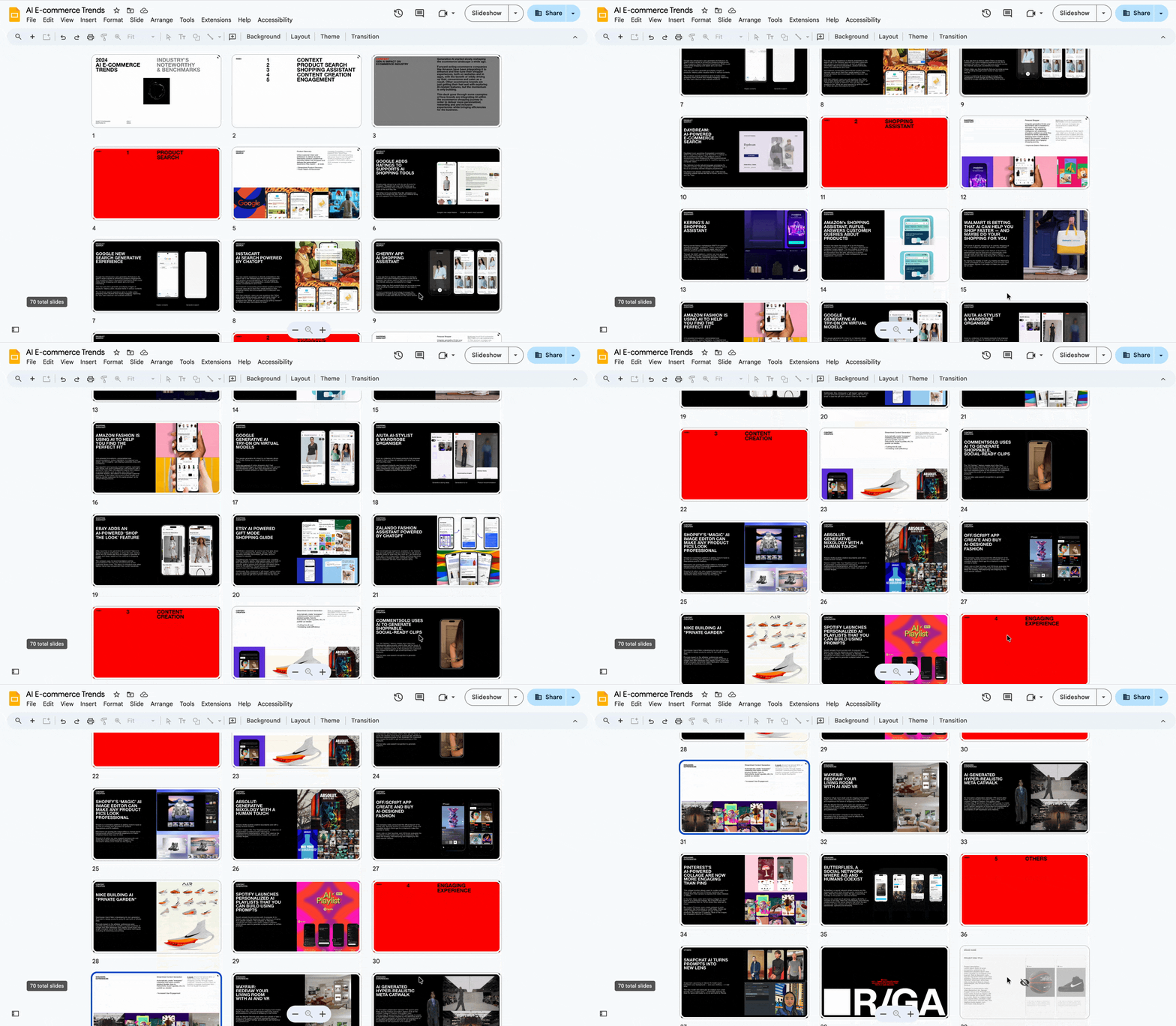
Hours pass, and somehow, the most creatives in the room are doing clicking, copy-pasting archival work.
So much energy was being spent just getting to the starting line. And the quality of the outcome often depended on who found a hidden gem on linkedIn, who remembered the right reference, who had worked on a similar project before, or who happened to have a clean deck lying around.
There's just not a space where case studies and knowledge is formatted, categorised, shared transparently across the agency.
At the same time, AI tools were evolving fast
— not just generating content, but beginning to organize, interpret, and connect information in ways that felt surprisingly human.
The Year AI Became Ubiquitous
Contextual, Integrated, Multimodal Workflows
AI as a Partner, Not Just a Tool Anymore
ChatGPT became a household name, Midjourney image generation exploded, and people started experimenting with AI in writing, art, and data analysis at scale.
AI moved into context-aware work. Tools from Notion AI, Motion, and Reclaim became capable of interpreting rich formats - images, documents, and cross-referenced data.
Models like GPT-5 were launched with improved reasoning, safety mechanisms, and understanding across domains. Tools began integrating capabilities like memory across conversations and enterprise-scale workflows
2023
2024
2025
Onwards...
If machines are getting better at structure, pattern recognition, and repetition — why are we still doing the most mechanical parts of creative work by hand?
What if we transformed benchmarking from a manual task into an adaptive intelligent system that integrates into our workflow?
How have we been doing benchmarking?
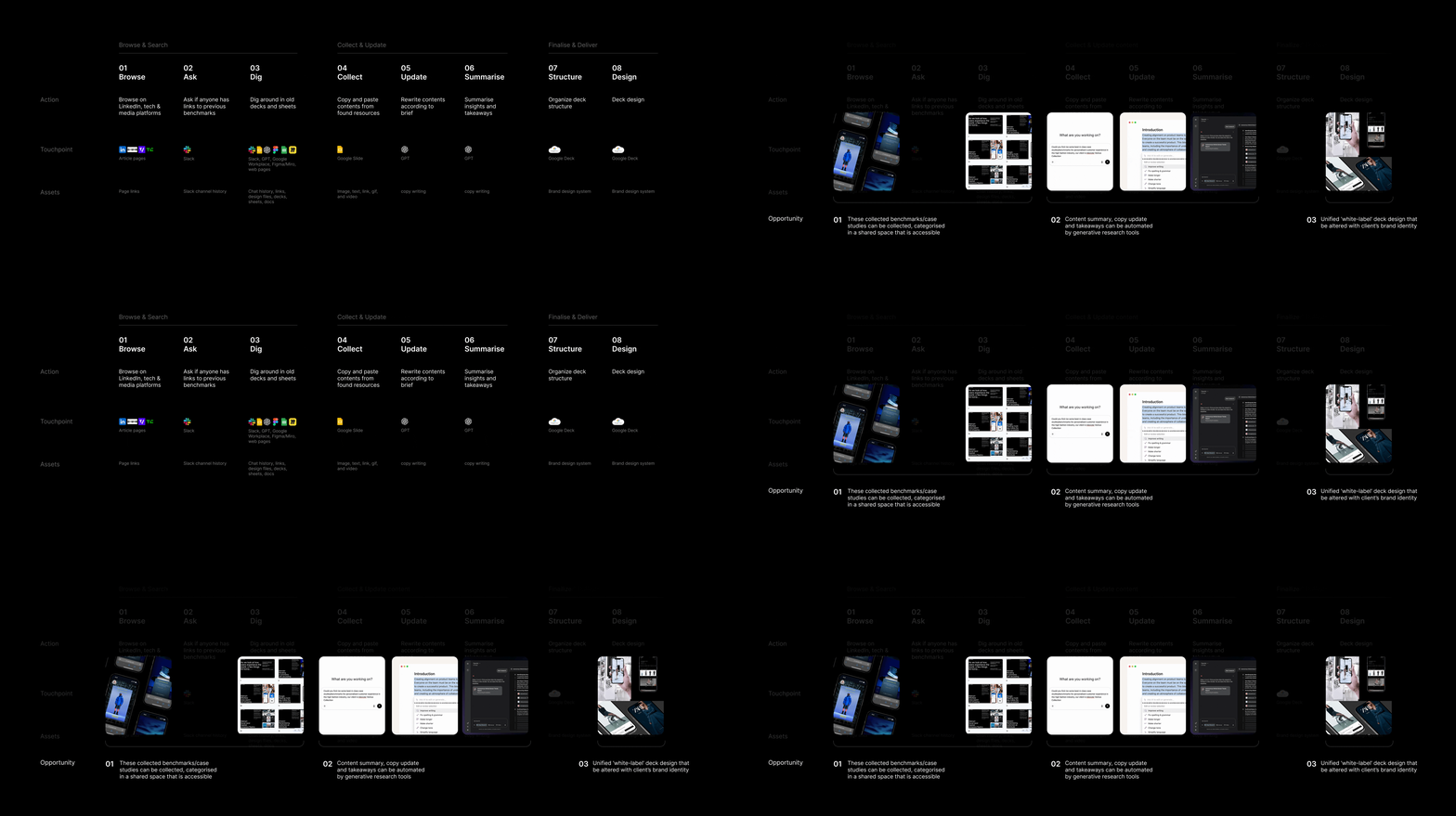
My blueprint
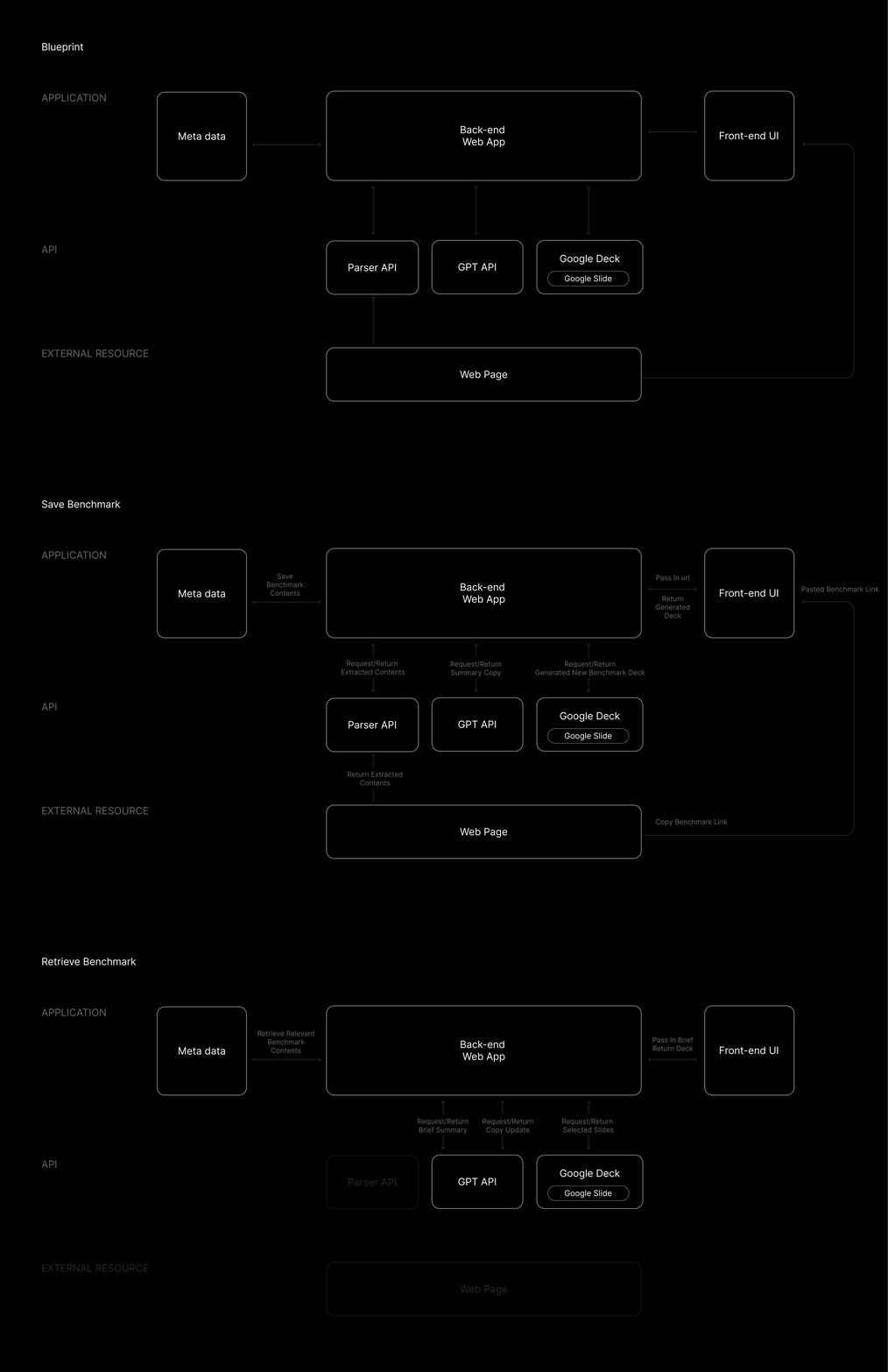
Introducing Barry MVP, an Intelligent Benchmark Helper
Extracts & Organises benchmarks intuitively and efficiently, finds relevant examples and Generates Decks tailored to your brief or client ask
Transforms scattered inspirational web pages into a structured, searchable, and living library of benchmarks —instantly tagged, summarized and organized for clarity.
Understands intent, not just keywords — surfacing ideas that fit the brief. And when we’re happy with the results, it builds the deck itself — smart, contextual, and ready to refine.
Add and organise benchmarks from existing web pages
It automatically captures and categorizes benchmarks into structured, searchable libraries. No more endless folders or duplicated decks — every reference is tagged, contextualized, and easy to rediscover. The system learns your themes and adapts to how your team works, surfacing what matters most.
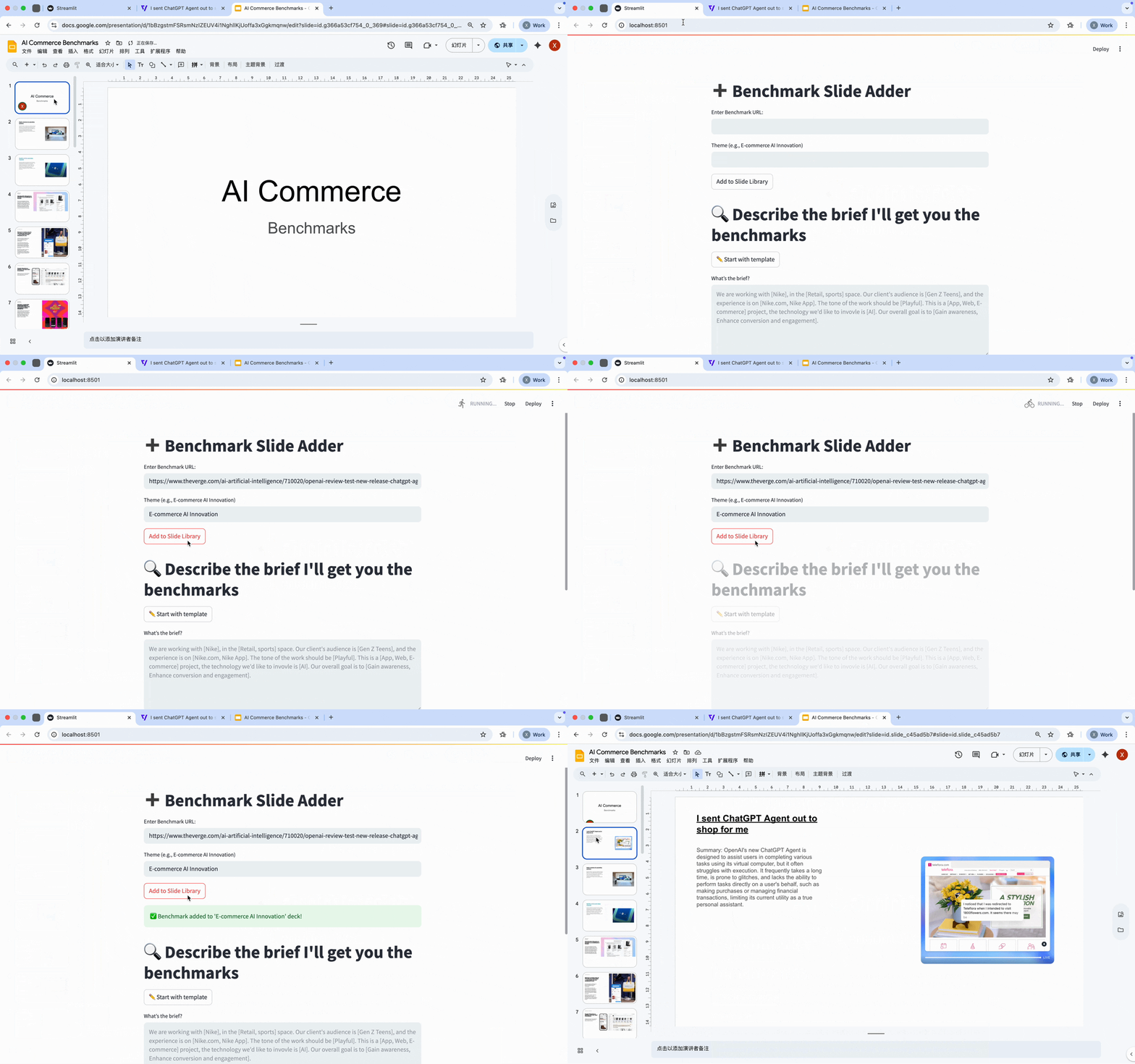
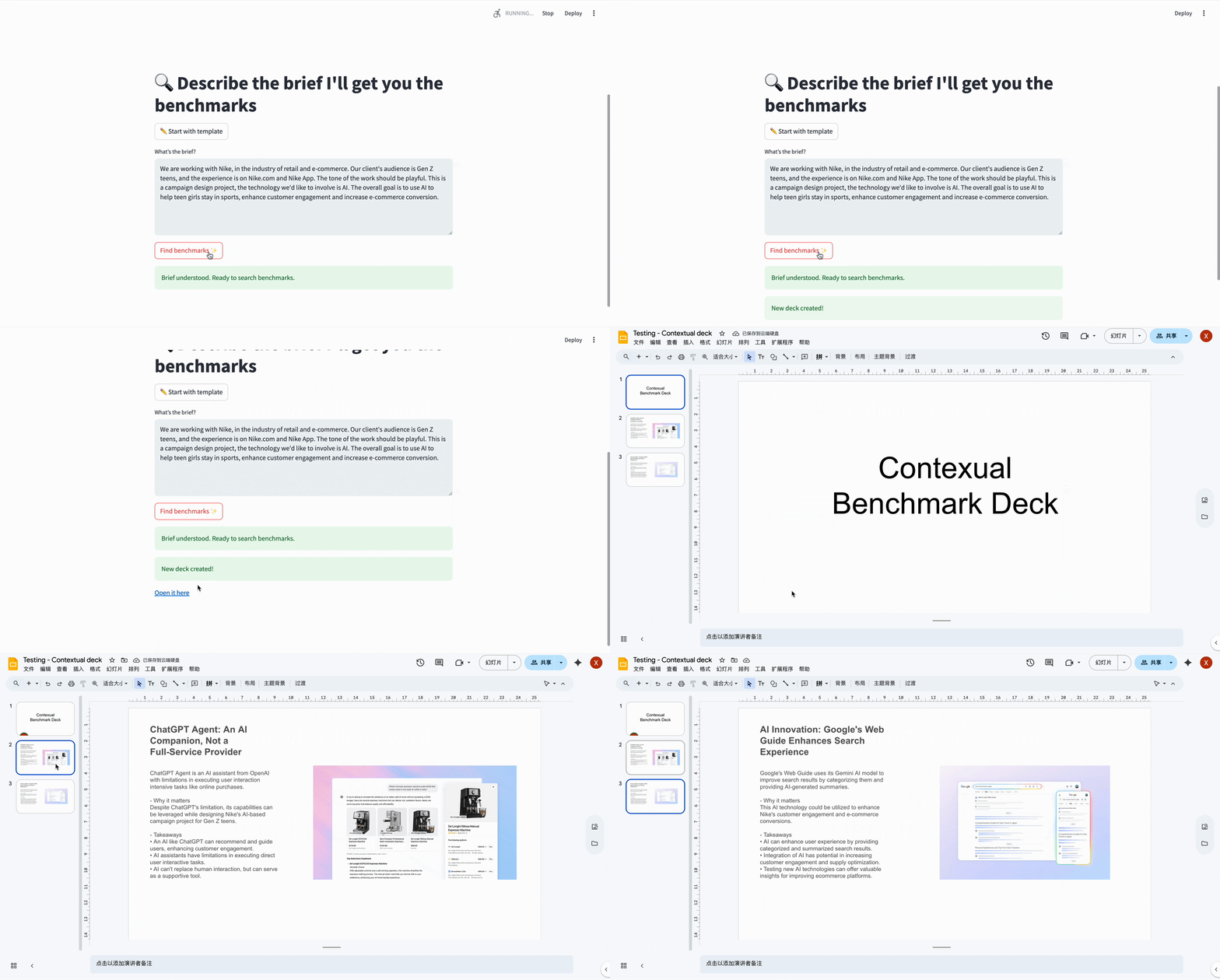
Search for relevant benchmarks and generate decks using LLM
Type a client brief, a creative territory, or a campaign goal — and the tool retrieves the most relevant examples, drawing connections between projects, industries, and design patterns. It acts like a strategist who knows the entire archive.
Once benchmarks are selected, the tool can assemble polished decks that fit your brief’s tone, audience, and purpose — instantly. Titles, visuals, and takeaways are generated contextually, ready for refinement, not rework. You brief it like a teammate, not a machine.
Some Debrief Moments
Never about writing the lines of codes
Designing for the chaos and edge cases
It was about combining the right technologies in a way that supported a real workflow need. The process felt more like assembling a creative system than building a traditional product from 0 to 1
Typos, duplicates, messy inputs — all the things that don’t happen in perfect demos but always happen in real life. Designing for these edge cases is what turns a prototype into something people can actually rely on.
Barry is still evolving.
The next phase focuses on UI updates(I know it looks outrageous), deeper context, prompt design, richer metadata, improved language generation, and greater resilience to ambiguity. The goal is not to entirely replace creative thinking — but to clear the path for it.
Most importantly this project isn’t really about product/UX design. It’s about rethinking how I work and how other designers work with the empowerment Artificial Intelligent brings — and making tools that give us our time, focus, and creativity back.